Body Contouring Farmington Hills: Local Insights for Better Decision-Making
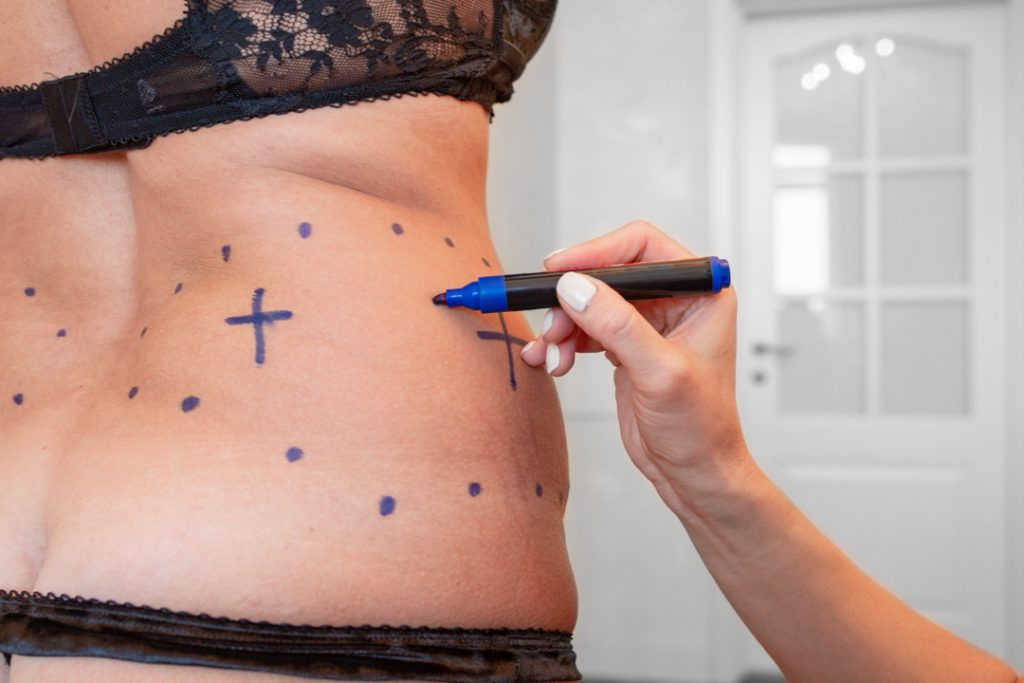
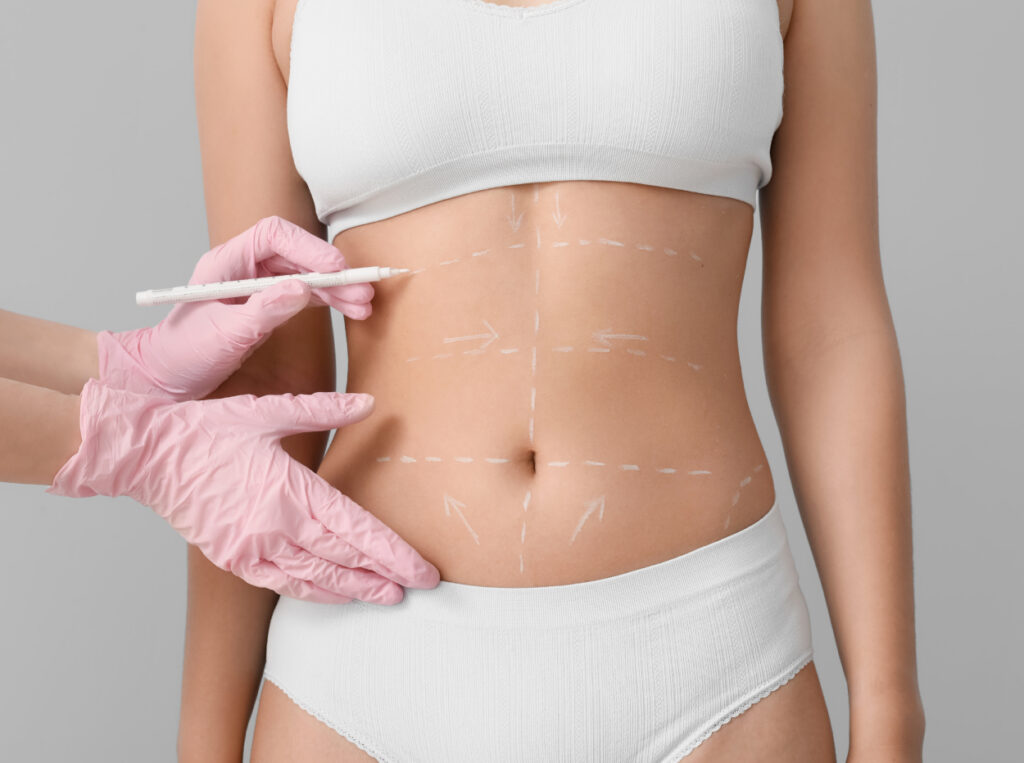
Body contouring is one of those terms people hear often and define loosely. For some, it means tightening a waistline after weight loss. For others, it means addressing stubborn fat along the abdomen, flanks, thighs, or under the chin when diet and exercise have already done most of the heavy lifting. In practice, the phrase covers a wide range of treatments, from non-surgical fat reduction and skin tightening to more involved surgical reshaping.
That broad definition is exactly why decision-making gets tricky.
If you are researching Body Contouring Farmington Hills options, you are not just choosing a treatment. You are choosing a philosophy of care, a recovery experience, a price point, and a provider whose judgment matters as much as the device or procedure itself. The local market adds another layer. In and around Farmington Hills, patients are often comparing med spas, cosmetic practices, plastic surgery offices, and multi-service aesthetic clinics, all of which may use similar language while offering very different levels of evaluation and follow-up.
The smartest decisions usually come from slowing down and getting specific. What bothers you, fat, loose skin, muscle laxity, contour irregularity, or a combination? How much downtime can you tolerate? Are you trying to look better in fitted clothes, recover your shape after pregnancy, or refine a body that is already close to your target weight? Those distinctions matter more than most advertising lets on.
What body contouring actually includes
A lot of disappointment starts with mismatched expectations. Patients often say they want “body contouring” when what they really want is one of three things: less volume, firmer skin, or a more defined silhouette. Those are not identical goals, and they do not respond to the same treatment.
Non-surgical body contouring usually aims to reduce pockets of fat, tighten mild to moderate skin laxity, or improve the appearance of cellulite and texture. The appeal is obvious. Treatment is office-based, there is little or no anesthesia, and recovery tends to be short. The trade-off is equally real. Results are usually subtler, take longer to emerge, and may require multiple sessions.
Surgical contouring is a different category. Liposuction, abdominoplasty, arm lift, thigh lift, and related procedures can create larger changes because they remove fat or excess skin directly. They also come with incisions, recovery time, and a more serious decision process. Some people are clear surgical candidates but want to avoid surgery at all costs. Others spend months chasing a surgical result through non-surgical treatments that were never likely to get them there.
That is why good consultation matters more than glossy before-and-after photos. A thoughtful provider should be able to tell you not only what might help, but also what probably will not.
Why Farmington Hills patients often ask different questions
Local context influences cosmetic decisions more than people expect. Farmington Hills is not a trend-chasing market in the same way some larger urban centers can be. Patients here are often practical, informed, and balancing appearance goals with work schedules, family responsibilities, and budget discipline. They want improvement they can see, but they usually do not want to look dramatically altered or disappear for weeks unless the payoff justifies it.
That leads to a common pattern. Many people start by asking about non-surgical options first, even when surgery may offer the cleaner solution. Sometimes that instinct is wise. A person with a small lower-abdominal pocket and good skin tone may do well with a well-chosen non-invasive treatment. But a patient with significant post-pregnancy skin looseness, abdominal wall separation, or hanging tissue is often better served by an honest surgical conversation rather than repeated sessions of something milder.
Season also affects how people plan treatment. Michigan weather shapes wardrobes, activity patterns, and recovery timing. It is not unusual for patients to begin treatment planning in late fall or winter, when compression garments, limited sun exposure, and indoor recovery feel easier to manage. Others aim for spring because they are thinking ahead to travel, events, or summer clothing. Neither approach is inherently better, but timing should be strategic rather than impulsive.
The difference between stubborn fat and loose skin
This is one of the most important distinctions in body contouring, and one of the easiest to miss when people self-diagnose from mirror checks alone.
Stubborn fat usually feels like localized fullness. You may notice it at the lower abdomen, flanks, bra line, inner thighs, outer thighs, or under the chin. The skin over it may still recoil fairly well when pinched. If that sounds familiar, fat reduction may be the central issue.
Loose skin presents differently. It may wrinkle, fold, hang, or remain lax after the underlying volume changes. This is common after major weight loss, pregnancy, or normal age-related changes in collagen. Someone can have very little excess fat and still be unhappy because the area lacks firmness. In that case, a fat-reduction treatment alone can actually make the looseness more obvious.
Many patients have both. This is where treatment plans become nuanced. A modest reduction in fat plus some degree of skin tightening may improve the overall contour, but only if the provider is realistic about the extent of change. In real practice, combination concerns are the rule, not the exception.
Who tends to do well with non-surgical treatment
The best non-surgical candidates are usually already fairly close to their stable weight. They have one or several discrete areas they want refined rather than a global weight-loss goal. Their skin quality is decent, their expectations are measured, and they are willing to wait for gradual improvement.
That last point matters. Many non-surgical treatments work over weeks to months as the body clears treated fat cells or remodels collagen. If someone expects a dramatic difference after one visit, frustration is almost guaranteed. Non-surgical body contouring can be worthwhile, but it rewards patience and a clear understanding of scale. A 15 to 25 percent improvement in a problem area may feel excellent for one person and underwhelming for another.
A useful rule of thumb is this: if your main complaint is that clothes fit awkwardly because of one resistant area, non-surgical treatment may be a good fit. If your complaint is that your body shape changed significantly and skin hangs or folds, surgery may be the more appropriate conversation.
When surgery deserves serious consideration
There is no prize for avoiding surgery when surgery is the treatment most likely to solve the problem.
Patients who have had major weight loss often arrive after years of trying to “tone” skin that cannot be toned through exercise or energy-based devices alone. The same is true for women dealing with substantial post-pregnancy abdominal changes, especially when muscle separation and extra skin are both present. Someone in this situation can spend a considerable amount on sessions that create only marginal improvement.
That does not mean every larger change requires an operation. It means the provider should be able to say, plainly, “This can help a little,” or “This is unlikely to give you the result you are picturing.” That kind of honesty protects both your money and your trust.
In the Body Contouring Farmington Hills market, where patients often compare multiple offices before moving ahead, the best consultations tend to be the least theatrical. They focus on anatomy, achievable outcomes, and trade-offs. If you leave understanding more, even if the answer was not the one you hoped for, that is usually a good sign.
The consultation should feel more like problem-solving than sales
You can learn a lot from the first appointment. Strong providers ask detailed questions because body contouring is not one-size-fits-all. They want to know about weight stability, pregnancies, prior procedures, scars, hernias, health history, and what exactly bothers you when you dress, exercise, or look in the mirror. They should also examine you standing, not just seated or lying down, because contour concerns often reveal themselves differently with gravity and posture.
What you should be listening for is specificity. A careful clinician will talk about tissue quality, not just treatment packages. They may explain that the upper abdomen responds differently from the lower abdomen, or that inner-thigh skin behaves differently from flank fat. They may point out asymmetries you had noticed vaguely but could not name. Good consultations often feel clarifying because they translate frustration into anatomy.
If every concern you mention somehow maps neatly onto a single premium treatment, that is a reason to be cautious. Bodies are not that tidy. Real recommendations usually include limitations.
Questions worth bringing to the appointment
A short list can help keep the consultation grounded, especially if you are comparing offices and do not want to rely on memory alone.
- What is the primary issue in this area, fat, skin laxity, muscle separation, or a combination?
- What level of improvement is realistic for me, subtle, moderate, or significant?
- How many sessions are commonly needed before judging the result?
- If this does not work well enough, what would the next step usually be?
- What side effects, downtime, and temporary changes should I realistically expect?
Those questions tend to expose whether the provider is thinking clinically or reciting a script.
Devices and techniques matter less than fit
Patients often get attached to brand names because marketing around aesthetic technology is intense. Certain devices may indeed be well suited to certain goals, but brand recognition is not the same thing as appropriateness. A mediocre match with a famous device is still a mediocre match.
What matters more is whether the treatment aligns with your tissue characteristics and goals. If your skin is thin and lax, “fat freezing” or another reduction-focused option may not be the right first move. If your issue is mild fullness beneath the chin, a targeted non-surgical approach may make perfect sense. If your lower abdomen has both looseness and bulging from muscle separation, no machine is going to recreate the result of an operation designed for that anatomy.
Experienced practitioners also know where non-surgical treatment can backfire aesthetically. Over-reduction in a small area can create unevenness. Treating one zone while ignoring adjacent fullness can make proportions look odd. Chasing every imperfection can leave the body looking fragmented rather than harmonious. The best contouring plans respect the way areas relate to one another.
Recovery is often under-discussed
People tend https://www.behance.net/ardwaterproof to focus on the treatment day and the final result, not the space in between. That is a mistake.
Even treatments marketed as “no downtime” often have some real-world inconvenience. Swelling, temporary numbness, tenderness, bruising, garment use, activity restrictions, and delayed visibility of results can all affect your routine. If you commute, care for children, exercise regularly, or have a job that requires standing, lifting, or public visibility, small disruptions matter.
Surgical recovery is even more personal than many websites suggest. Two healthy patients can have very different comfort levels and mobility during the first two weeks. Compression can be manageable for one person and irritating for another. Returning to desk work is not the same thing as feeling normal. Patients do best when they plan for recovery honestly rather than optimistically.
This is where local lifestyle matters again. In Farmington Hills, many patients juggle work in nearby business corridors, family logistics, and social calendars that cannot simply stop. A treatment that is technically convenient may still be the wrong choice if it requires three or four visits you cannot reasonably keep, or if the expected swelling overlaps with an event that matters to you.
Cost deserves a more mature conversation
Price shopping is understandable. Cosmetic treatment is discretionary, and patients should know what they are paying for. Still, the cheapest quote is often the least useful data point.
Costs vary because the underlying services vary. A practice with physician-led evaluation, strong follow-up, better candidate selection, and more conservative treatment planning may not price the same way as a high-volume promotional model. That does not automatically make one superior in every case, but it does explain why quotes can differ.
Non-surgical body contouring can look affordable at first glance and become expensive when multiple sessions are needed. Surgery can look expensive up front but provide a more definitive change with fewer repeated appointments. Neither path is inherently more “worth it.” Value depends on whether the treatment is well matched and whether the result aligns with your actual goal.
It helps to think about cost in terms of total pathway, not single visit pricing. Ask what is included, how many treatments are commonly recommended, whether touch-ups are common, and what follow-up care looks like. Clarity on the front end prevents frustration later.
A note on before-and-after photos
Photos matter, but they are easy to misuse. Good before-and-after images should show consistent lighting, angles, posture, and timing. A photo set that looks impressive because the patient is standing differently or twisting more is not especially informative.
Look for bodies that resemble yours in build, skin quality, age range, and problem area. A spectacular result on a patient with tight skin and a small pocket of fat may tell you nothing about what is possible for someone with major laxity. Also notice whether the office can explain the case. What treatment was done, how many sessions, and over what time frame? Vague answers usually mean the photos are functioning as marketing first and education second.
Red flags that should slow you down
Not every warning sign is dramatic. Sometimes the concerns are subtle, a rushed consultation, a dismissive answer about limitations, a pressure-heavy discount structure, or a treatment recommendation that seems disconnected from your anatomy.
Here are a few red flags that deserve a second look:
- You are promised dramatic results without a clear discussion of limits.
- No one examines skin quality, only the amount of visible fullness.
- The office cannot explain who is and is not a good candidate.
- Recovery is minimized to the point of sounding effortless.
- Every question about alternatives is redirected back to the same package.
Patients often sense these issues before they can articulate them. If something feels oversold, pause.
Why the best result may be a phased plan
A common misconception is that body contouring decisions must be all-or-nothing. In reality, some of the best outcomes come from staged planning. A patient might begin with weight stabilization and core rehab, then reassess contouring. Another may treat one high-priority area first rather than several areas at once. Someone else may try a non-surgical option with the explicit understanding that surgery remains the fallback if the improvement is too modest.
That kind of sequencing is not indecision. It is strategy.
Good aesthetic care often looks conservative at the beginning. It respects uncertainty, builds on response, and avoids overtreatment. Especially in cosmetic medicine, restraint is underrated.
What “natural-looking” should mean
Patients say they want natural results, but that phrase deserves unpacking. Natural should not mean invisible. If you are investing time and money in treatment, you should see improvement. At the same time, the improvement should suit your frame, your skin, and your proportions. The goal is not to flatten every curve or erase all softness. It is to create a body line that looks more balanced, smoother, and more like the version of you that felt familiar before a change in weight, pregnancy, or age shifted things.
This is where experienced judgment shows. Some providers chase maximal reduction. Others understand that preserving proportion often creates the better result. A slimmer waist that leaves untreated fullness above or below can look abrupt. A very aggressive reduction in one area can make loose skin or asymmetry stand out. More is not always better in contouring.
Making the decision with clear eyes
If you are exploring Body Contouring Farmington Hills services, the strongest position you can take is an informed, unsentimental one. Be honest about what bothers you. Be equally honest about your tolerance for downtime, your budget, and how much change you actually want. Separate marketing language from anatomy. Ask whether your concern is fat, skin, muscle, or all three. Then evaluate the recommendation in that light.
The right provider will not need to rush you. They will be able to explain why a treatment fits, why another one does not, and what trade-offs come with each path. They will treat contouring as a medical-aesthetic judgment call, not a menu item.
That is usually the difference between a result that feels worth it and a series of expensive detours.
Aesthetic Plastic Surgery & Laser Center, Michelle Hardaway M.D.
Address: 27920 Orchard Lake Rd, Farmington Hills, MI 48334
Phone number: +12482211957
FAQ About Body Contouring Farmington Hills
What does body contouring actually do?
Body contouring (or body sculpting) eliminates stubborn localized fat, tightens loose, sagging skin, and reshapes your silhouette. It is not a weight-loss tool, but rather a cosmetic procedure used to refine and tone specific trouble spots after major weight loss, pregnancy, or aging.
How much does body contouring usually cost?
The total cost of body contouring usually ranges from $2,000 to $25,000+ depending entirely on whether you choose non-surgical sessions or major surgical procedures.
Because "body contouring" covers everything from simple fat-freezing to comprehensive post-weight-loss surgeries, pricing is heavily categorized by the method used.
What is the best type of body contouring?
Liposuction is a huge topic and worth discussing in more detail, but in terms of body contouring and sculpting, nothing does the job better than liposuction, particularly VASER liposuction.